
Washington, D.C. – 15 October 2025 – At the World Bank–IMF Annual Meetings Civil Society
Policy Forum, Lift Africa Foundation advances a strong call for governance reforms,
accountable institutions and inclusive development frameworks as essential tools for addressing Africa’s escalating youth unemployment crisis.
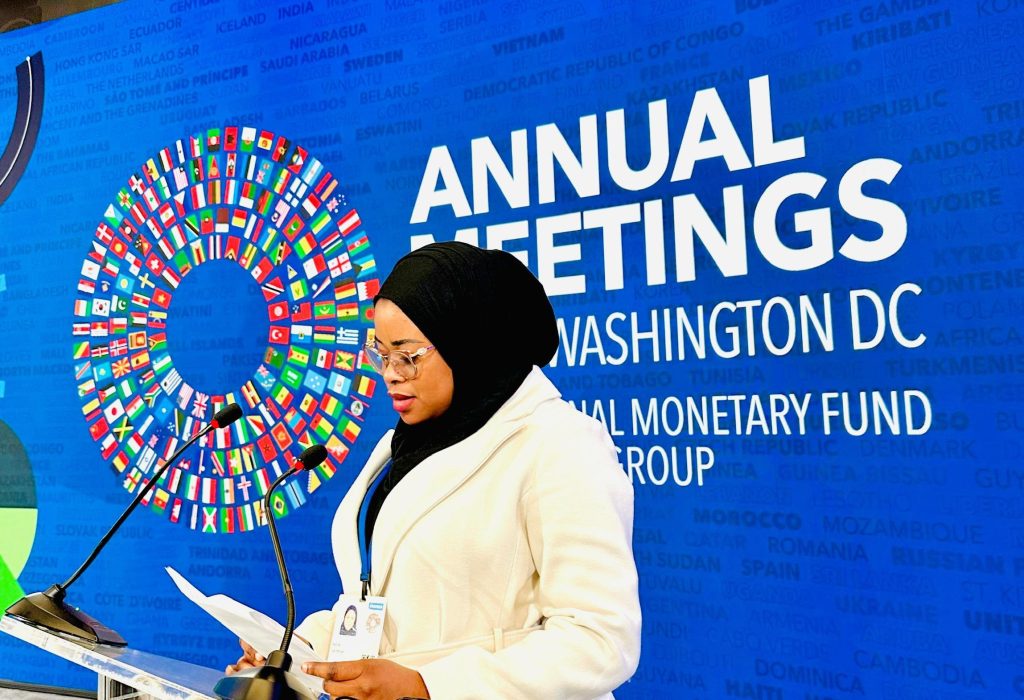
Speaking on a high-level panel titled “Advancing Homegrown Economy through Sustainable
Infrastructure and Skills Development in Africa,” Founder Aisha Hamman emphasises that youth unemployment transcends economic statistics; it is a governance, investment and institutional coordination challenge that requires structural solutions.
Strengthening Governance as a Foundation for Youth Employment
Lift Africa Foundation highlights that the mismatch between policy aspirations and
implementation remains a persistent barrier across African countries. The Foundation calls for:
- national youth employment delivery units that coordinate ministries of education, labour,
technology and finance; - systematic accountability frameworks that track real employment outcomes rather than budget
allocations; - data-driven national strategies that are insulated from political cycles.
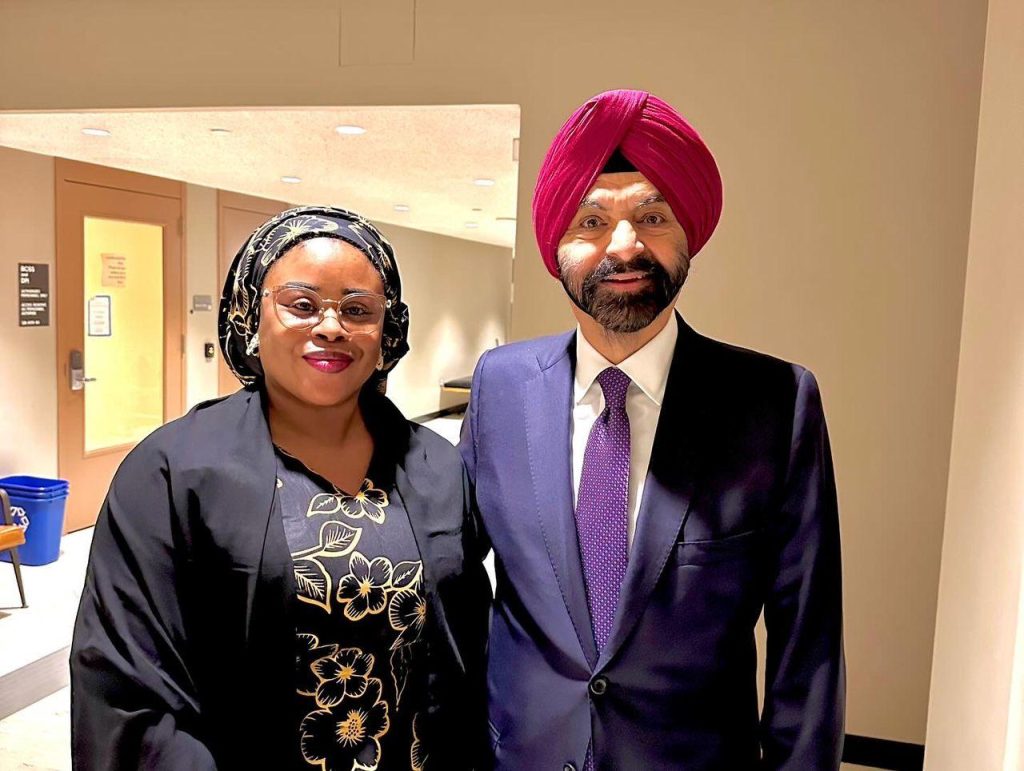
The Foundation underscores that meaningful progress requires shifting from fragmented
programs to integrated development systems that link skills, innovation, enterprise and public
accountability.
Aligning Skills Development with Market Realities
Lift Africa contributes evidence showing that many national training initiatives fail because they do not reflect industry needs. The Foundation advocates for:
- stronger private sector partnerships
- technical and digital skills aligned with emerging labour markets
- youth innovation hubs supported through predictable, multi-year financing
Drawing from successful African models such as Ajira Digital, Andela and Flutterwave, the
Foundation emphasises that African youth already demonstrate capacity for global
competitiveness—what is missing is a governance architecture that sustains innovation and scale.
Reimagining Development Financing
Lift Africa calls for a shift from short-term project cycles to financing models that:
- empower youth- and women-led enterprises
- support community-based skills ecosystems
- facilitate long-term job creation and entrepreneurship
- close persistent gaps in access to capital for underserved populations
The Foundation emphasises that inclusive financing is essential for resilience, innovation and
sustainable pathways to decent work.
Local Governance and Community Participation
Lift Africa highlights the role of state and local governments, traditional institutions and
community structures in shaping youth outcomes. Community participation, social
accountability and localised decision-making strengthen ownership and ensure development
programmes respond to real needs.
Monitoring Outcomes, Not Announcement
The Foundation stresses that national youth policies must be judged by measurable outcomes:
- number of youths gaining meaningful employment
- growth of youth- and women-led enterprises
- reduction in digital and gender inequality
- strengthened institutional capacity at local and national levels
Evaluating progress through tangible indicators ensures transparency and drives political
commitment.
Lift Africa Foundation’s Commitment
Through its engagement at the World Bank–IMF Annual Meetings, Lift Africa Foundation
reaffirms its commitment to:
- advancing governance reforms that support youth inclusion
- promoting equitable access to skills and economic opportunities
- strengthening accountability in development financing
- amplifying community voices within global policy spaces
- ensuring Africa’s demographic strength is matched with structural investment in young people
The Foundation remains dedicated to shaping governance and economic systems that allow
young people across Africa to thrive, innovate and contribute to sustainable development.