
When the COVID-19 pandemic struck in 2020, thousands of girls in Northern Nigeria never returned to school once classrooms reopened.
In response, Lift Africa Foundation, in collaboration with the Kano State Ministry of Education, Ministry of Information, Ministry of Women Affairs, Ministry of Health, the United Nations Children’s Fund (UNICEF), the Foreign, Commonwealth and Development Office (FCDO), and other civil society organizations, organized a multi-stakeholder Roundtable on the Impact of COVID-19 on Girls’ Education in Kano.

Themed “Addressing the Girl Child’s Emerging Post-COVID Challenges,” the forum brought together policymakers, education officials, civil society leaders, and youth advocates to discuss the challenges faced by the girl child before, during, and after the pandemic. Participants analyzed the social, cultural, and structural barriers that prevented girls from returning to school and proposed policy measures to protect victims of sexual and gender-based violence (SGBV), which had sharply increased during the lockdown period.
The event served as both a policy dialogue and a public awareness platform, highlighting the intersection of poverty, gender inequality, and digital exclusion — and showing how the pandemic magnified long-standing barriers for girls in low-income communities.
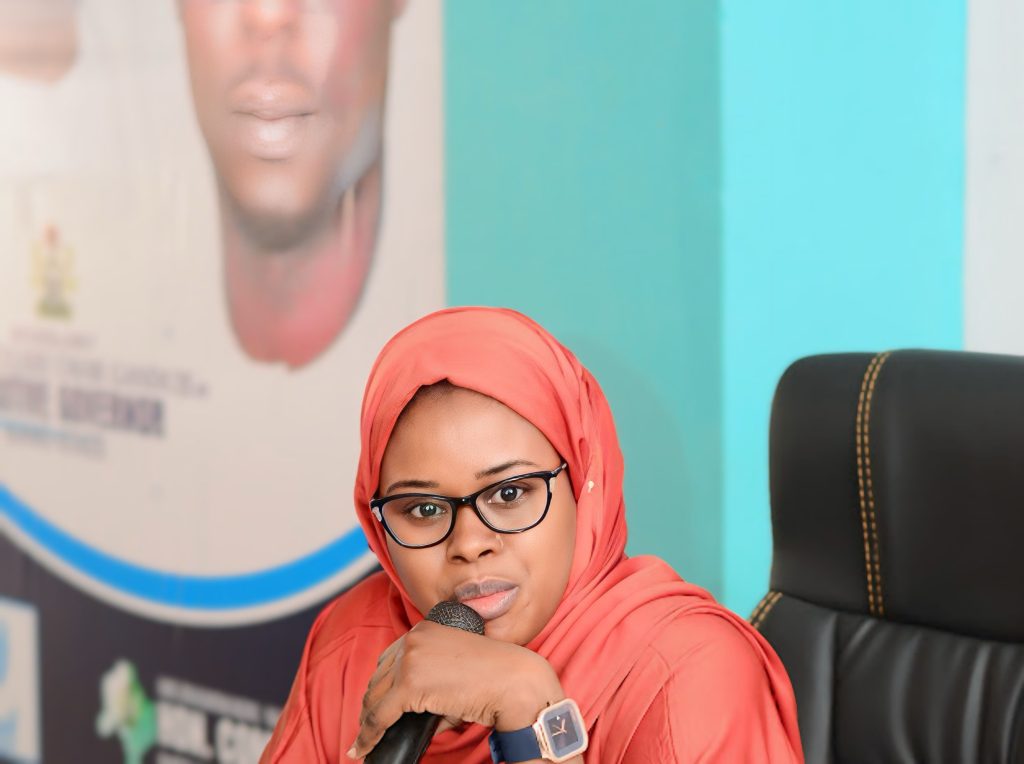
“What we witnessed during COVID-19 was not just a health crisis — it was a justice crisis,” said Aisha Hamman, Founder and Executive Director of Lift Africa Foundation. “When schools closed, many girls faced early marriage, domestic labour, or abuse. Re-opening schools was only the first step; rebuilding equity and protection is the real work ahead.”
⸻
The Crisis in Numbers
Data presented at the Roundtable revealed alarming trends:
• Over 13.2 million children were already out of school before the pandemic — and 60% of them were girls.
• Prolonged school closures led to a 40% increase in reported cases of child marriage across several Northern states.
• Less than 20% of public schools had access to any form of remote learning or digital education tools during the lockdown.
Experts noted that while urban schools adopted limited forms of online learning, rural and low-income communities were completely excluded, deepening pre-existing educational inequality.
⸻
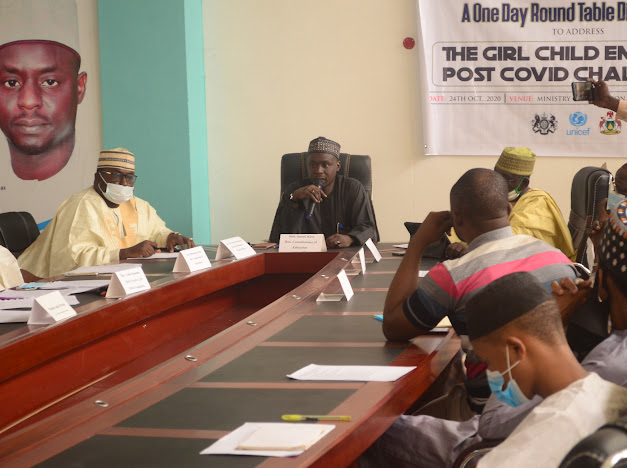
Insights from the Roundtable
Panelists included representatives from the Kano State Ministry of Education, Rahma TV, Teachers’ Union of Kano, and several local NGOs working on gender and education reform.
The discussions focused on:
• Reintegrating out-of-school girls through flexible and inclusive learning models.
• Partnering with parents, community leaders, and faith institutions to prevent early marriage.
• Implementing gender-responsive budgeting to strengthen education recovery.
• Establishing community-based learning hubs and safe spaces for girls affected by the pandemic.
Lift Africa Foundation emphasized the urgent need for stronger collaboration between government, civil society, and international partners to ensure that girls’ education remains a core pillar of Nigeria’s post-pandemic recovery.
“If the system fails to bring these girls back, the future we lose is not just theirs — it’s Nigeria’s,” said Abdusshakur Abba, the State Coordinator of the World Bank’s Global partnership for education program in kano state.
⸻
Amplifying the Conversation: The Rahma TV Feature
To deepen the conversation beyond the roundtable, Rahma TV aired a 30-minute televised feature a 2 hours session with Aisha Hamman titled “The Forgotten Classroom”, documenting the event’s deliberations and recommendations.
The broadcast reached more than 1.5 million viewers across Kano and neighboring states, spotlighting stories of affected girls and the ongoing work of Lift Africa Foundation in education recovery and justice advocacy.
The roundtable helped reframe girls’ education as not merely a social issue — but a matter of justice, equity, and national progress.
⸻
The roundtable concluded with a joint communique and clear action points which was handed over to the Kano state commissioner of Education , including:
1. Strengthening community-school reintegration programs for girls.
2. Advocating for the implementation of the Child Rights Act in Kano State.
3. Promoting data-driven monitoring of post-COVID school re-enrollment for girls.
4. Mainstreaming SGBV prevention and response mechanisms within school systems.
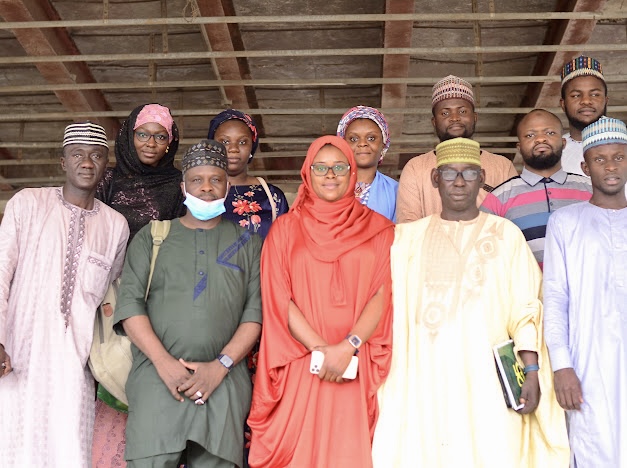
These outcomes directly informed the next phase of Lift Africa Foundation’s programs — particularly the From Streets to Classrooms and Clear Her Path initiatives — ensuring that recovery efforts translated into long-term systemic change.
Lift Africa Foundation reaffirmed its belief that education is the foundation of justice. By bridging policy, partnership, and advocacy, the organization continues to champion a future where every girl can learn, lead, and live free from fear and discrimination.