
For many survivors of violence, the path to protection begins before any formal institution becomes involved.
It begins with whether a child who discloses abuse is believed. Whether a family seeks medical attention or decides to keep the matter private. Whether a survivor receives support or is blamed for what happened. Whether someone knows where to report and which institution should act next.
These early decisions can determine whether violence remains hidden or a survivor reaches protection and justice.
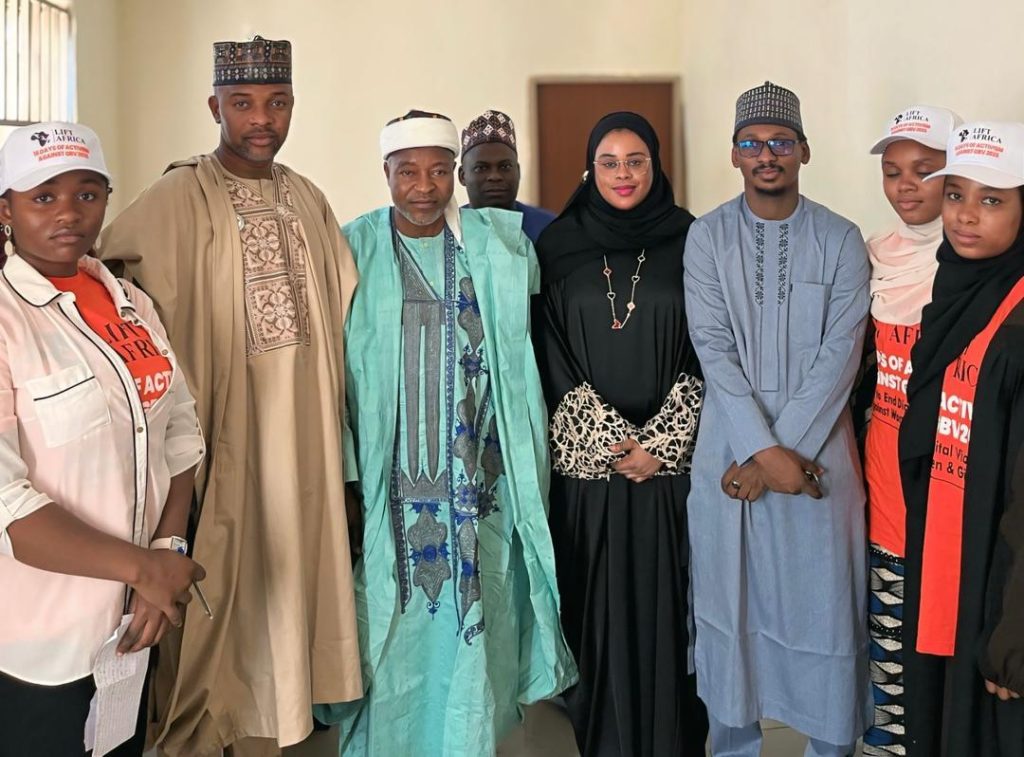
Today’s engagement with the Kano State Council of Imams, led by Sheikh Muhammad Nasir Adam, focuses on the role religious leadership can play at this critical point: preventing violence, challenging the social pressures that discourage reporting, and strengthening the connection between communities and formal protection services.
In Kano, imams have sustained access to families and communities through sermons, religious instruction, counselling and community leadership. Their influence therefore extends beyond responding when violence has already occurred. They are also positioned to shape the attitudes and behaviours that determine how communities understand violence, how survivors are treated and whether families act when abuse is disclosed.
Challenging the silence that allows violence to continue
Our work with survivors continues to show that some of the most significant barriers to protection emerge within families and communities.
Fear of stigma or damage to family reputation can discourage reporting. Survivors may be pressured to remain silent or blamed for violence committed against them. Parents may hesitate to report sexual abuse involving a child. Serious cases may be treated primarily as private family matters, even where a survivor requires urgent medical care, safeguarding or criminal investigation.
The consequences can be significant.
Delayed reporting can affect access to timely medical attention and the preservation of evidence. Children may remain exposed to further harm. Survivors can face increased pressure to withdraw complaints, while cases that require formal intervention may never reach the institutions responsible for protection and accountability.
At the centre of today’s conversation is the role religious leadership can play in changing these responses.
Through sermons, religious teaching and community engagement, imams can reinforce that protecting women and children is a shared responsibility; that a survivor should not carry the shame for violence committed against her; that disclosures by children must be taken seriously; and that protecting family reputation cannot mean concealing serious harm or shielding perpetrators from accountability.
This is not simply an awareness question. It is part of the longer-term work of changing the social norms and behaviours that allow violence to remain hidden, tolerated or normalised.
Religious platforms are particularly important because they provide consistent access to communities. Messages about dignity, responsibility, protection and accountability can therefore become part of regular community discourse rather than being confined to occasional campaigns.
Strengthening the pathway from disclosure to protection
Prevention is only one part of the discussion.
Religious leaders are also frequently approached when families are already dealing with violence or abuse. In these situations, the response of a trusted imam can influence what happens next.
A survivor of sexual violence may require immediate medical attention. A child may need protection from further harm. Social welfare services may need to intervene. An allegation may require investigation by the police and, where appropriate, prosecution through the justice system. Survivors may also require psychosocial and legal support.
Religious guidance cannot substitute for these functions.
The role of an imam is not to investigate allegations, conduct medical examinations, prosecute offences or determine criminal responsibility. Religious leaders can, however, provide guidance, discourage concealment, support disclosure and help families recognise when another institution must become involved.
This distinction is central to building an effective protection system.
Community structures and formal institutions do not need to perform the same functions. They need to understand how their responsibilities connect.
Where a family first seeks religious guidance, there should be a clear pathway towards healthcare, social welfare, security or justice services when those interventions are required. Strengthening that connection can reduce delays, improve early response and help prevent survivors from being lost between community and formal systems.
Building prevention and accountability together
Today’s engagement also reflects a broader lesson from our gender justice work in Kano: laws and formal institutions remain essential, but they cannot protect survivors who are prevented from reaching them.
Police cannot investigate a case that is never reported. A health facility cannot provide timely care to a survivor who is kept away. Social welfare institutions cannot safeguard a child whose abuse remains concealed. The justice system cannot pursue accountability where serious violence never leaves the private sphere.
Community prevention and formal protection must therefore reinforce one another.
The Council of Imams occupies an important place within this wider protection architecture because religious leaders can influence both the environment in which violence occurs and the decisions families make when it is disclosed.
Today’s engagement establishes two practical priorities: strengthening consistent religious and community messaging around survivor dignity, reporting and accountability, and improving understanding of when cases must move beyond community or religious guidance into formal protection services.
The discussion also reinforces the need for continued coordination between religious leadership and the institutions responsible for health, social welfare, security and justice.
The objective is not to create a parallel response system. It is to strengthen the pathway between the structures communities already trust and the institutions mandated to provide professional protection and accountability.
For women and children experiencing violence, that pathway can determine whether disclosure ends in silence or becomes the beginning of protection.