
For many children, school is where they spend most of their time outside the home. It is also one of the places where signs of abuse, exploitation or neglect may first become visible.
A teacher may notice an unexplained change in behaviour or attendance. A child may disclose abuse to someone they trust at school. Violence may occur within the school environment itself. In each instance, what happens next can determine whether the child receives protection or remains at risk.
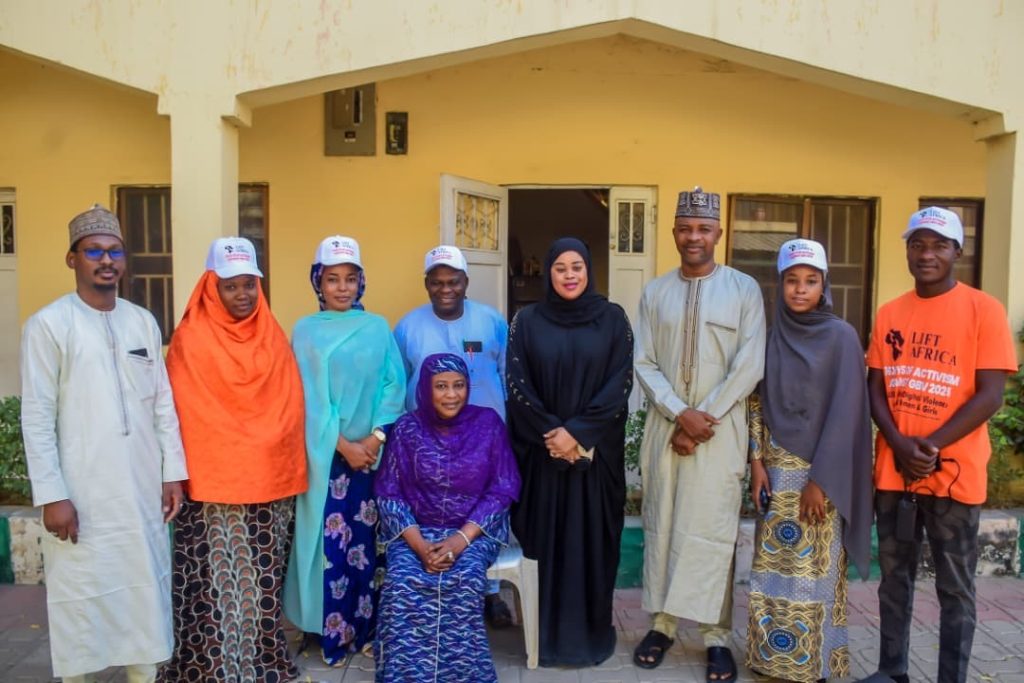
These questions are at the centre of our engagement today with the Kano State Ministry of Education, where discussions focus on strengthening child safeguarding in schools, improving the response to disclosures of abuse, and connecting education institutions more effectively with the wider child-protection system.
The engagement recognises schools not only as places of learning, but as institutions with an important responsibility to prevent harm, recognise risk and respond appropriately when a child may be unsafe.
Strengthening safeguarding within schools
A central focus of today’s discussion is the need for clearer safeguarding standards across schools.
Child protection cannot depend solely on the judgment of an individual teacher or administrator after an incident occurs. Schools need systems that make responsibilities clear before a case arises: what constitutes a safeguarding concern, how staff should respond to a disclosure, who must be informed, what information should be documented and when a matter requires referral beyond the school.
The discussion examines the risks that arise where these procedures are unclear or inconsistently applied.
A child who reports sexual abuse may be asked unnecessary or repeated questions. A disclosure may be treated as a disciplinary or family matter rather than a protection concern. School authorities may attempt to resolve allegations internally even where medical attention, social welfare intervention or criminal investigation is required.
In other cases, staff may recognise that something is wrong but lack the guidance or confidence to act.
Strengthening safeguarding therefore requires moving from informal responses to clear institutional procedures that place the safety and best interests of the child at the centre.
Responding appropriately when a child discloses abuse
How an adult responds to a child’s first disclosure can have significant consequences.
Children may disclose abuse gradually, indirectly or to someone they already trust. Fear, shame, threats from perpetrators and concern about whether they will be believed can make disclosure difficult.
Today’s engagement examines the need for teachers and school administrators to understand how to receive these disclosures without blaming, intimidating or unnecessarily interrogating the child.
The immediate responsibility is protection.
This includes listening appropriately, avoiding actions that could expose the child to retaliation, recording relevant information carefully and activating the appropriate referral pathway.
Schools are not responsible for conducting criminal investigations. Nor should teachers attempt to establish guilt through questioning a child.
Where allegations require medical care, social welfare intervention or investigation, the school’s responsibility is to recognise the concern, protect the child and ensure that the matter reaches the institution mandated to respond.
Clear procedures can reduce the risk that a disclosure is ignored, mishandled or contained within the school when further intervention is necessary.
Addressing risks within the school environment
The discussion also considers the responsibility of education institutions to address risks that arise within schools themselves.
Children may be exposed to sexual harassment, exploitation, physical violence, bullying or inappropriate conduct by adults or other students. Increasing access to digital technology also creates new forms of vulnerability, including harassment, coercion and the non-consensual circulation of images.
A credible safeguarding system must therefore address both violence children experience outside school and risks created within the education environment.
This requires clear standards of conduct for teachers and other personnel, accessible mechanisms through which children can raise concerns, appropriate disciplinary and referral procedures, and safeguards against retaliation where allegations involve people in positions of authority.
School leadership is particularly important. Safeguarding cannot remain the responsibility of one designated officer if the wider institutional culture discourages reporting or protects adults at the expense of children.
The discussion therefore considers how prevention, reporting and accountability can become part of routine school governance rather than responses activated only after a serious incident becomes public.
Connecting schools to the wider protection system
Schools cannot protect children in isolation.
A safeguarding concern may require intervention from health services, social welfare authorities, the police, justice institutions or other specialised protection actors. Effective response therefore depends on the strength of the connections between the education system and these institutions.
Today’s engagement examines the need for clearer referral pathways so that teachers and administrators know what to do when a case exceeds the school’s mandate.
This is particularly important in cases involving sexual violence, where timely medical attention and appropriate documentation may be necessary, and in situations where returning a child immediately to the same household or environment may create further risk.
Referral must also include follow-up.
Sending a child or family to another institution does not necessarily mean protection has been secured. Schools may continue to have responsibilities relating to the child’s safety, confidentiality, attendance and ability to remain in education while other processes are underway.
A stronger safeguarding framework must therefore connect identification, referral and continued support.
Protecting a child’s education after violence
Violence can also interrupt a child’s education.
Fear of stigma, trauma, family pressure or concern about encountering an alleged perpetrator can lead children to withdraw from school or experience prolonged absence. Girls who experience sexual violence may face particularly severe social consequences, including pressure that affects their ability to return to class.
The discussion considers the importance of ensuring that a child does not lose access to education because she has experienced or reported abuse.
Protection and education should reinforce one another.
Schools should be equipped to support safe continuation or return to learning, protect confidentiality and reduce the risk that survivors are punished socially or institutionally for violence committed against them.
This is an important part of survivor-centred safeguarding: responding not only to the immediate incident, but also to its consequences for the child’s safety, dignity and development.
Moving towards a stronger school safeguarding framework
Today’s engagement advances the case for a more structured approach to child protection across Kano’s education system.
The discussion identifies several priorities: clearer safeguarding responsibilities within schools; stronger procedures for receiving and responding to disclosures; better understanding of when cases require external referral; stronger links with social welfare, health, security and justice institutions; and greater attention to preventing abuse within educational environments themselves.
These priorities also connect with the broader work underway to strengthen protection for women and children across Kano.
Religious and traditional institutions can influence what happens within families and communities. Justice and social welfare institutions have responsibilities once cases enter formal systems. Schools occupy another critical point: they are among the institutions most consistently present in children’s everyday lives.
That proximity creates an opportunity to identify risk earlier and intervene before harm continues.
The immediate objective is therefore to strengthen schools as part of Kano’s wider child-protection architecture—not by asking educators to perform the work of investigators or social workers, but by ensuring they know how to prevent harm, recognise concerns, respond safely and connect children with the institutions responsible for protection.
A school should never become another place where a child’s disclosure ends.
It should be one of the places where protection begins.