When women and children experience violence, the first person they turn to is not always a police officer, lawyer or social worker. In many communities across Kano State, families first seek guidance from people they already know and trust—including religious leaders.
That makes religious institutions an important part of any effort to strengthen protection and access to justice.
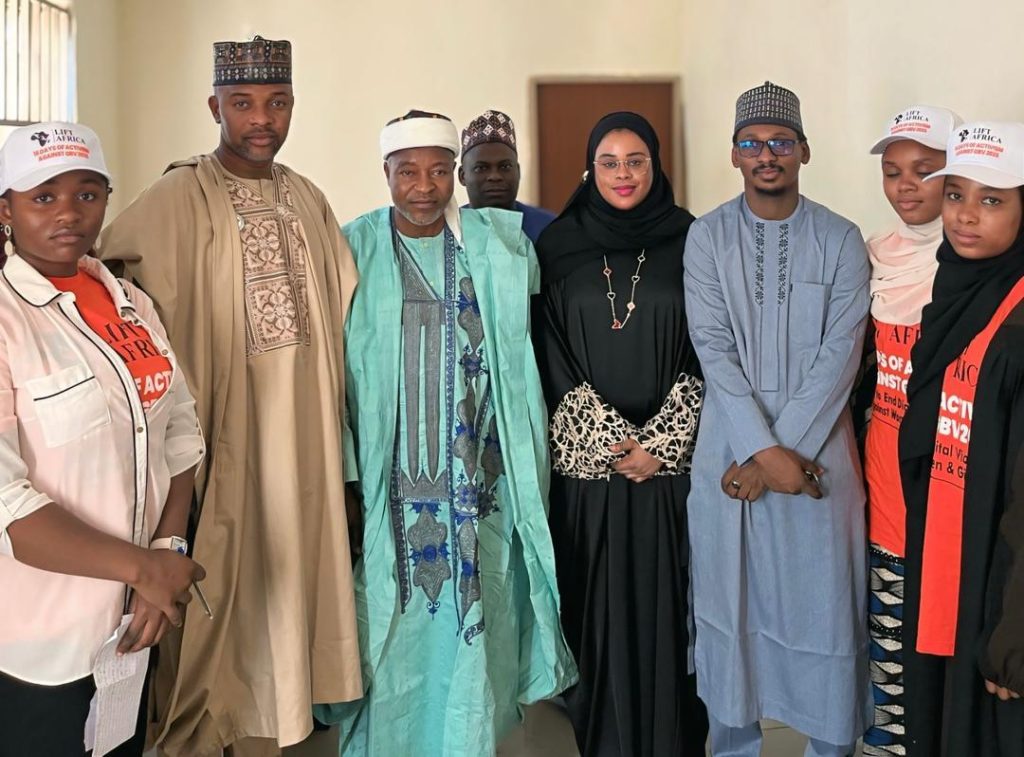
Today, Lift Africa Foundation met with the Kano State Council of Imams, led by Sheikh Muhammad Nasir Adam, as part of ongoing consultations on the gaps affecting the prevention of and response to sexual and gender-based violence in Kano State.
The engagement focused on a challenge that repeatedly emerges from our work with survivors: even where justice and protection services exist, many cases never reach them.
Fear of stigma, pressure on families, limited knowledge of available services and the preference for resolving sensitive matters within families or communities can prevent survivors from receiving timely medical care, protection and legal support. For children, these barriers can be particularly severe because decisions about whether and where to report abuse are usually made by adults around them.
Connecting community leadership to formal protection systems
Religious leaders are often among the people communities trust when difficult family and social problems arise. That influence creates an important opportunity to strengthen the pathway between communities and the institutions legally responsible for protection and justice.
Our discussion with the Council therefore went beyond raising awareness about gender-based violence.
It examined how religious leaders can help communities recognise abuse, discourage practices that silence survivors, promote timely reporting and connect women and children to appropriate health, social welfare, security and justice services.
It also provided an opportunity to discuss the boundaries between community intervention and formal justice processes. While religious and community leaders can provide guidance and support, cases involving sexual violence, abuse and serious harm require appropriate referral to institutions with the mandate and professional capacity to respond.
Creating clearer links between these systems is essential if survivors are to receive support early rather than entering the justice system only after evidence has been lost, injuries have gone undocumented or community pressure has made reporting more difficult.
A wider protection challenge
The consultation forms part of Lift Africa Foundation’s ongoing assessment of Kano’s gender justice and protection landscape.
Through our legal representation of survivors and engagement with communities and institutions, we continue to see recurring gaps across the response system: delayed reporting, fragmented referral pathways, inadequate survivor-support services, weak coordination between institutions and limited understanding of where survivors can obtain help.
These problems do not sit within one institution.
A survivor may need healthcare, psychosocial support, police intervention, legal representation and social protection—sometimes simultaneously. A child experiencing abuse may first disclose it to a parent, teacher or religious leader before ever encountering a formal protection institution.
An effective response therefore depends on whether the different people and institutions along that pathway understand their responsibilities and can connect survivors to one another quickly and safely.
Building consensus before institutions come together
The engagement with the Council of Imams is one of a series of consultations Lift Africa Foundation is undertaking with institutions across Kano State as part of preparations for the Gender Justice Summit, to be piloted in Kano.
The pre-Summit consultations are deliberately taking place across different sectors because each institution encounters a different part of the protection challenge.
Lift Africa Foundation is engaging justice and security actors on accountability and case management; health institutions on survivor care and referral; education stakeholders on child safeguarding; government institutions on policy and implementation; legislators on the legal framework; and traditional and religious leaders on community-level prevention, reporting and protection.
The findings from these engagements will inform the issues brought before the Summit and help identify areas where stronger coordination, clearer institutional responsibilities and practical reforms are required.
From individual responses to a functioning system
Kano’s response to violence against women and children cannot depend on whether an individual survivor happens to find the right institution at the right time.
Protection must function as a system.
That means strengthening the law, but it also means ensuring that the institutions and community structures a survivor encounters before, during and after reporting are connected.
Our engagement with the Kano State Council of Imams is one part of building that connection.
As consultations continue, Lift Africa Foundation will work with stakeholders across Kano to identify the gaps within the existing protection architecture and build consensus around practical actions that can strengthen prevention, referral, survivor support and accountability.
The Gender Justice Summit will bring these different perspectives into one process—but the work begins before everyone enters the same room.